Are you new to imaging or looking for a refresh on camera types? Learn about the advantages to camera types, digital interfaces, and more at Edmund Optics.
The factory calibration of your UV-VIS-NIR Spectrometer only includes wavelength but not response (irradiance). I can measure raw data which is only usable for transmittance/reflectance measurements. How do I get irradiance measurements?
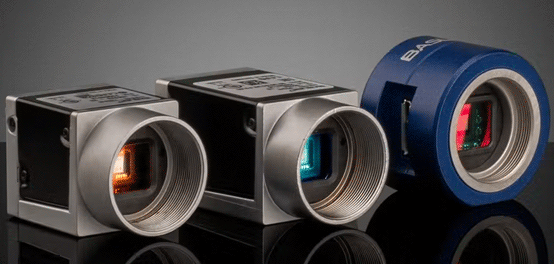
I have two Basler Scout GigE cameras but I cannot use them simultaneously. When connected to a computer, either via two network cards or a single network card and a switch, they can be opened but cannot acquire images. What is causing the problem?
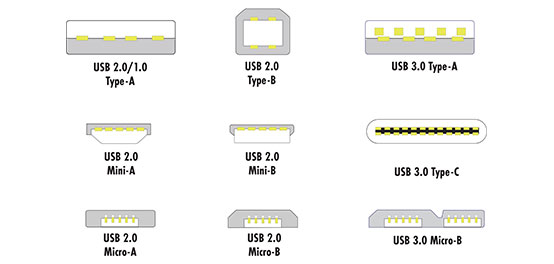
How to Power USB and GigE Cameras: Choosing the Right Accessories
Optimizing your imaging system means more than just choosing the right camera. Selecting the correct camera accessories ensures optimum performance, system stability, and successful integration. This application note explains power requirements for the two most common camera interfaces, USB and GigE, details the essential and optional accessories that enable reliable power delivery, and gives expert tips for selecting the most suitable components for your imaging system.
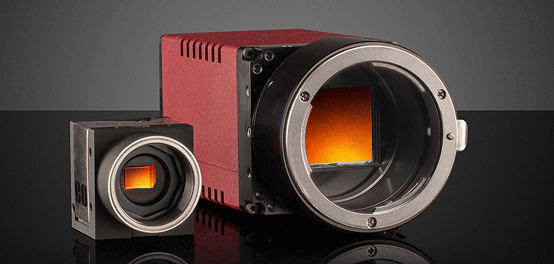
I recently removed the IR cut filter from my camera and did not replace it with any type of clear glass. It has since lost sensitivity in the IR, which was the goal, but also focus ability in the optics. Can you explain why this is so?
Hyperspectral imaging (HSI) and multispectral imaging (MSI) are two related technologies that make use of specialized vision systems to acquire extra image information from extended regions of the electromagnetic spectrum aside from the visible spectrum.
This comparison of the performance of aspheric, achromatic, and spherical PCX lenses in different situations reveals the ideal use cases for each type of lens.
Neutral Density (ND) Filters are designed to evenly reduce transmission. For more information on specifications and products, read more at Edmund Optics.
Please select your shipping country to view the most accurate inventory information, and to determine the correct Edmund Optics sales office for your order.










or view regional numbers
QUOTE TOOL
enter stock numbers to begin
Copyright 2024, Edmund Optics Singapore Pte. Ltd, 18 Woodlands Loop #04-00, Singapore 738100
California Consumer Privacy Acts (CCPA): Do Not Sell or Share My Personal Information
California Transparency in Supply Chains Act
The FUTURE Depends On Optics®